
Preserve What Is Healthy
The first question is not how much dentistry can be done. It is which healthy structures can continue serving you and what truly needs attention.
Biologic Dentistry in Scottsdale
Understand the condition of your teeth, the materials involved, and the safest evidence-based options before you agree to treatment.

Thoughtful, Evidence-Based Care
Your mouth is part of your body. Medications, chronic conditions, allergies, sleep, nutrition, and the ability to clean comfortably can all affect dental decisions. Biologic dentistry is the way we describe care that keeps those relationships in view while remaining grounded in sound diagnosis and established standards for safety and effectiveness.
Dr. Lori Anderson begins with what is healthy and worth preserving. She evaluates existing dental work by its condition, function, cleanliness, and effect on surrounding tissues—not by assumptions about a material alone. When more than one suitable material or treatment is available, you receive a clear explanation of the benefits, limitations, and maintenance each option involves.
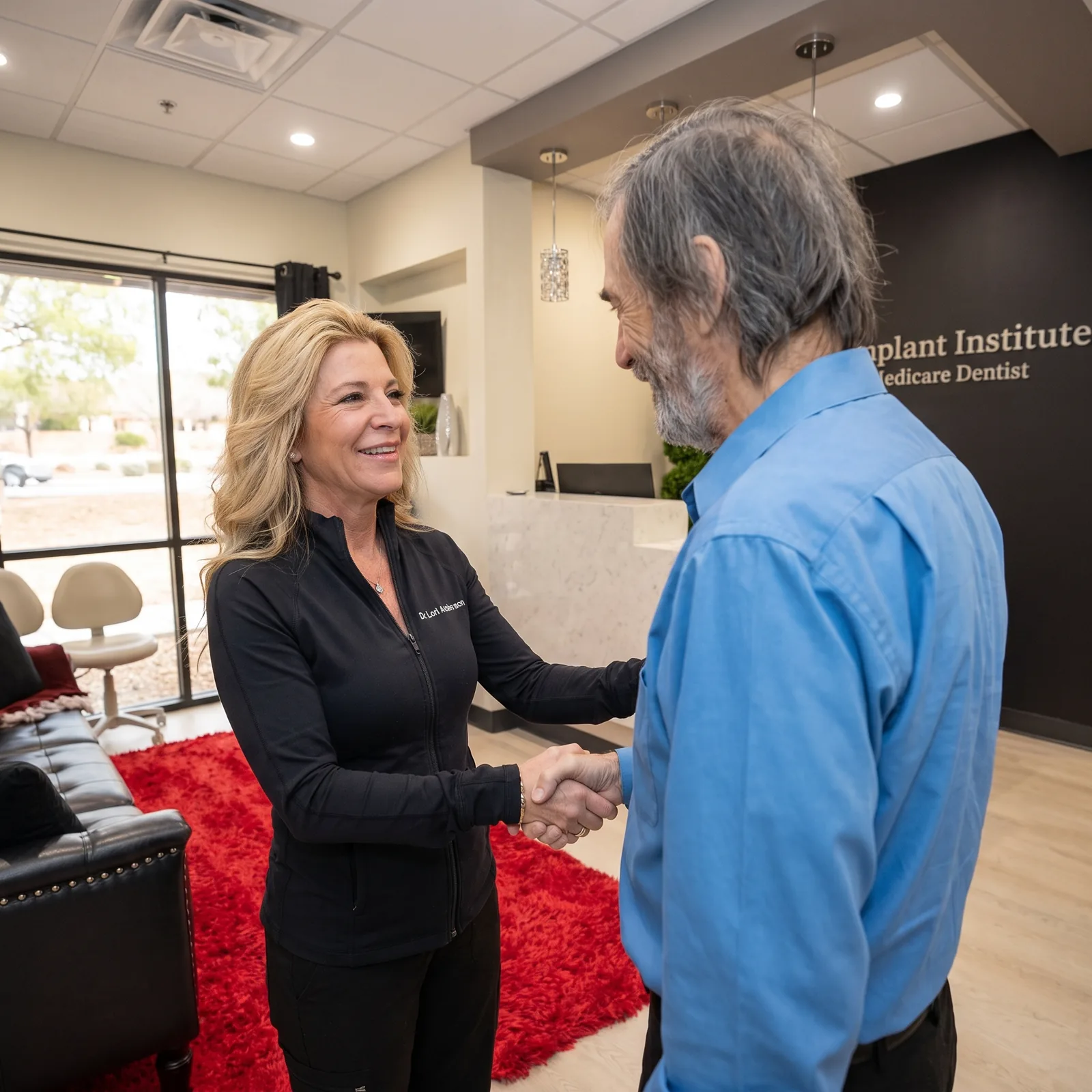
How the Plan Is Built
Whole-health-minded care should make your choices clearer—not replace diagnosis with broad claims or promise that one material is right for everyone.
The first question is not how much dentistry can be done. It is which healthy structures can continue serving you and what truly needs attention.
We review relevant restorative materials, known sensitivities, clinical requirements, durability, appearance, and maintenance so your choice is informed.
Medical conditions, medications, allergies, healing factors, and input from your physicians are considered when they affect dental safety or treatment planning.
A Thoughtful Treatment Plan
Treatment begins with diagnosis. Dr. Anderson reviews the structures that can be preserved, the factors that affect candidacy, and the sequence required before a recommendation is made.
Tell us about sensitivities, previous reactions, health conditions, existing dental work, and the materials or procedures you want to understand.
Dr. Anderson evaluates teeth, gums, bite, restorations, imaging, and the specific clinical reason treatment may—or may not—be needed.
You receive a practical explanation of suitable treatments and materials, including preparation, durability, appearance, maintenance, and reasonable alternatives.
Care is completed with attention to healthy structure and surrounding tissues, followed by the maintenance and monitoring appropriate to the result.
Common Questions
Your consultation is the place for answers specific to your smile. These are helpful starting points for the questions patients ask most often.
It means considering oral health, medical history, material choices, and preservation of healthy structure together. Recommendations remain evidence-based and specific to the condition being treated; the label does not replace a careful diagnosis.
No single restorative material is ideal for every tooth or every patient. Strength, location, bite forces, appearance, remaining tooth structure, known sensitivities, and maintenance all matter. Dr. Anderson explains the suitable options for your case.
Not automatically. Removing a sound restoration also removes some tooth structure and creates its own clinical considerations. Existing fillings should be evaluated for decay, cracks, leakage, wear, symptoms, and function before replacement is recommended.
No material can be described as risk-free for every person. Share any confirmed allergies or previous reactions. When a concern falls outside dental diagnosis, we may coordinate with the appropriate medical professional before treatment.
Yes. The same principles—complete health history, material discussion, conservative preparation, cleanable design, and long-term maintenance—can inform implant, cosmetic, restorative, and full-mouth treatment planning.
A Private Evaluation
Bring your health history, material concerns, and previous dental records. Dr. Anderson will explain what is healthy, what needs attention, and which evidence-based options deserve consideration.